
Buenos Aires history begins with two foundations
Buenos Aires history has two Spanish founding dates: Pedro de Mendoza established the first settlement attempt in 1536, while Juan de Garay founded the enduring city in 1580. Keeping those events separate makes the chronology easier to understand. The city on the Río de la Plata developed as a port and a destination for immigrants, and became the capital of the republic in 1880. Buenos Aires city and the province bearing the same name are distinct places.
Use that timeline as a starting point rather than trying to fit every historic neighbourhood into a single period. San Telmo belongs to the historic urban core, Recoleta brings together architecture and cemetery history, and the Museo Casa Rosada adds archaeological remains to the story. Choose one of these themes for a closer visit, then use the sights guide to connect it with the rest of your city plans.
Immigration and a changing port city
Immigration became particularly significant in the second half of the nineteenth century, including arrivals from Spain and Italy. Later migration from elsewhere in Argentina, Latin America and Asia continued to shape Buenos Aires. Its history therefore extends beyond the founding dates: the port city was repeatedly changed by people arriving from different places.
For a visit, this suggests looking at neighbourhoods as parts of an evolving city. Architecture, food and places of trade offer different starting points for questions about everyday life. A guide can help connect those themes, while a museum visit allows more time with objects and archaeological remains. Decide which kind of encounter interests you before choosing between a city overview and a walk focused on one barrio.
Guided city experiences
The guided city tour provides commentary, while the food walk includes visits to local establishments. The small-group tour adds a boat ride.
Hand-picked tours, booked through Viator. Prices are indicative starting prices in US dollars (as of November 2026). Tap a tour for live availability and the current price in your currency.
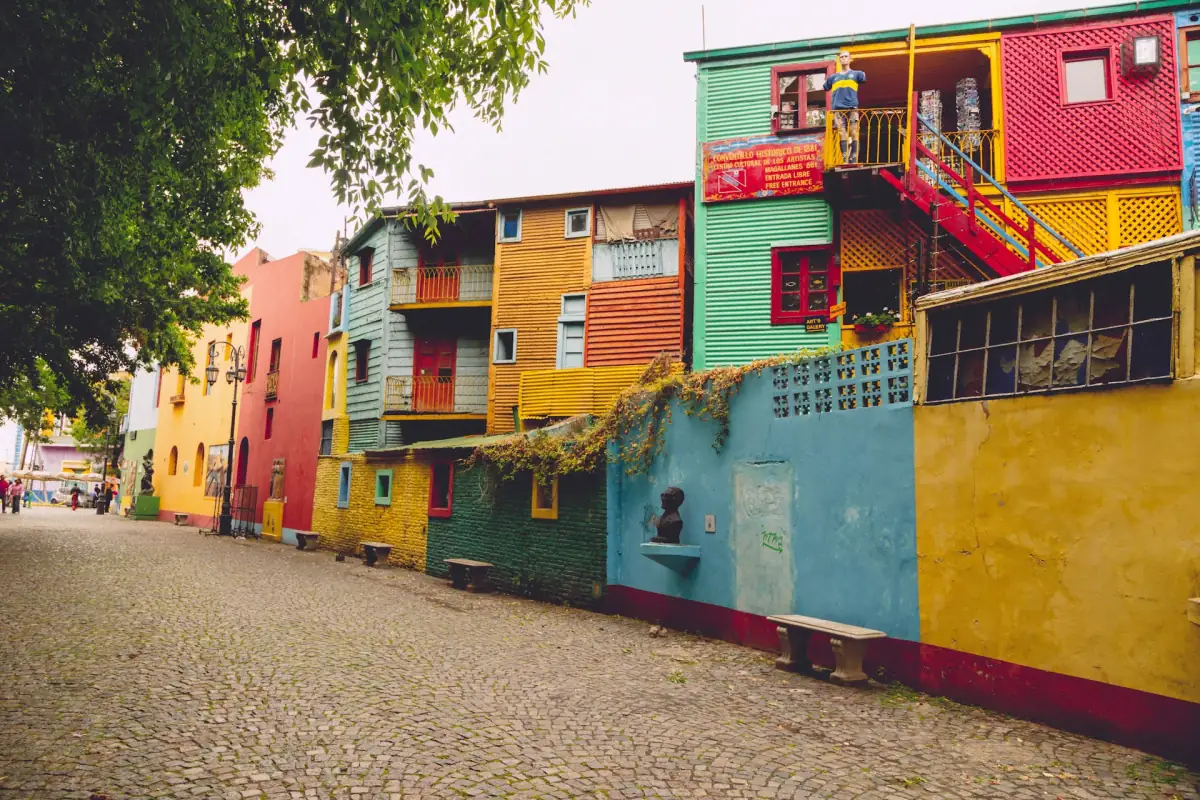
Small-group city and boat tour
- Small Group City Tour
- Boat Ride
- Snacks
The programme includes a professional local guide and hotel pickup and drop-off.
Check availability →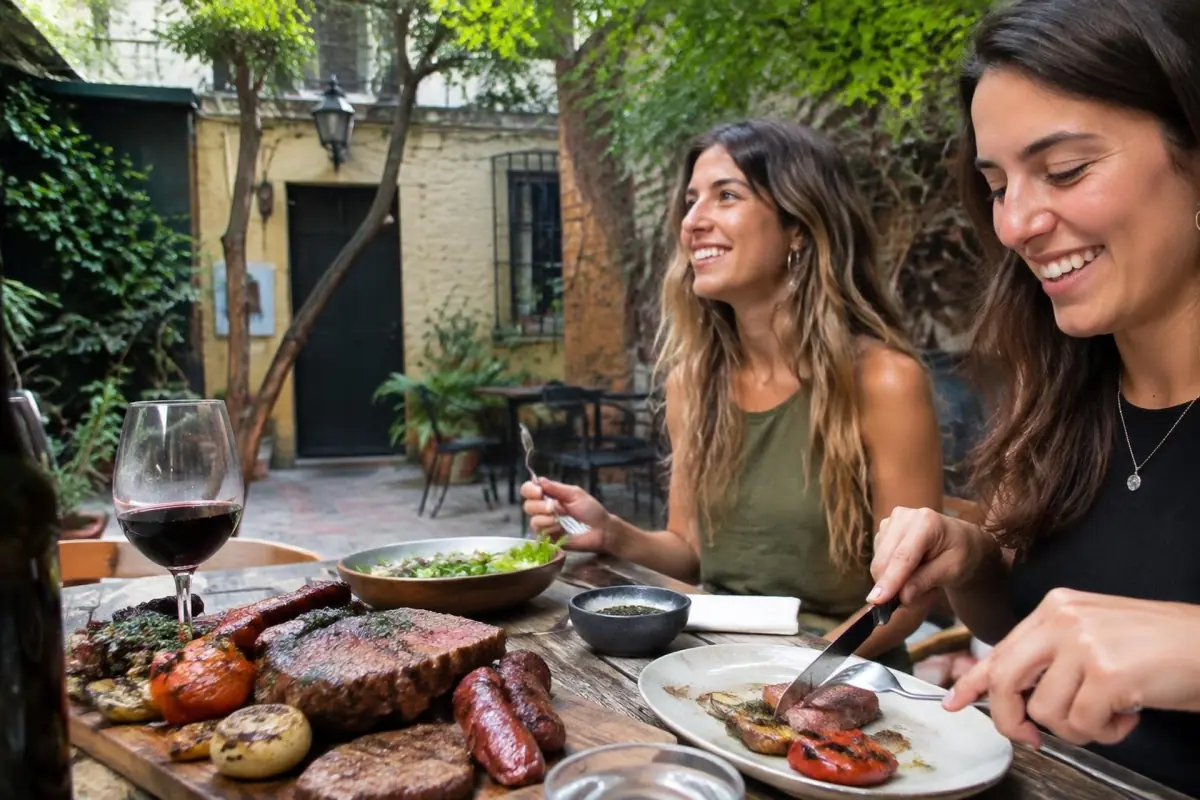
Local food and walking tour
- Taste 5+ Argentine cuisine
- Visit 4-6 local establishments
- Walking tour with a local guide
Request vegetarian, gluten-free or dairy-free menus when booking.
Check availability →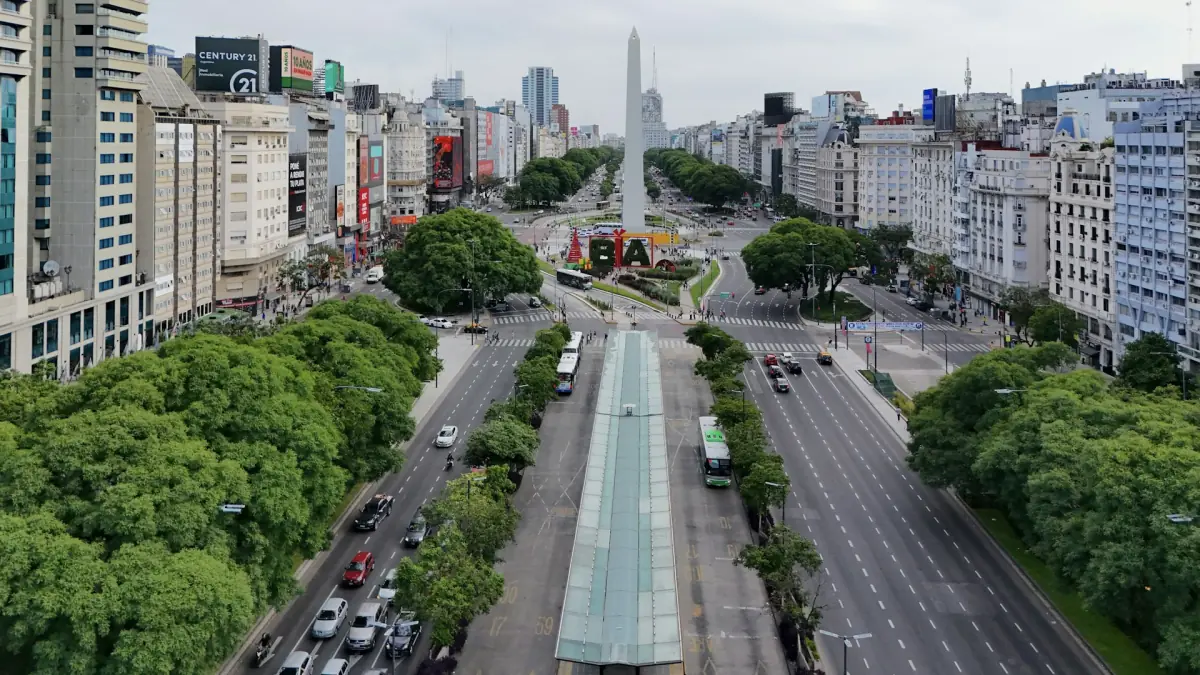
City tour with hotel pickup
- Local guide
- Air-conditioned vehicle
- Live commentary
Pickup and drop-off are at the same hotel. This is a city tour for after arrival.
Check availability →Discover the city through guided visits
Choose a city overview with hotel transport, a city and delta combination, or a food walk through historic San Telmo.
Recoleta and San Telmo in the nineteenth century
Recoleta Cemetery opened in 1822 as the city's first public cemetery. Eva Perón is among those buried there. Treat it as a place of remembrance as well as a historical site, allowing time for the funerary architecture and the individual lives it represents. The Recoleta Cemetery guide explains the distinction between admission for international visitors and the free Spanish guided service.
San Telmo's market hall opened in February 1897. Designed by Juan Antonio Buschiazzo, its metal structure and glass and sheet-metal roof make the building itself part of the visit. Food, antiques and gastronomy connect the historical setting with its trading use. The hall has been protected as a historic monument since 2000.
The Sunday antiques fair on Plaza Dorrego is a separate outdoor event. It should not determine which day you expect to find the market hall operating, since the hall has daily opening. Read the San Telmo market guide for the distinction before building a route around the word “market”.
Museo Casa Rosada
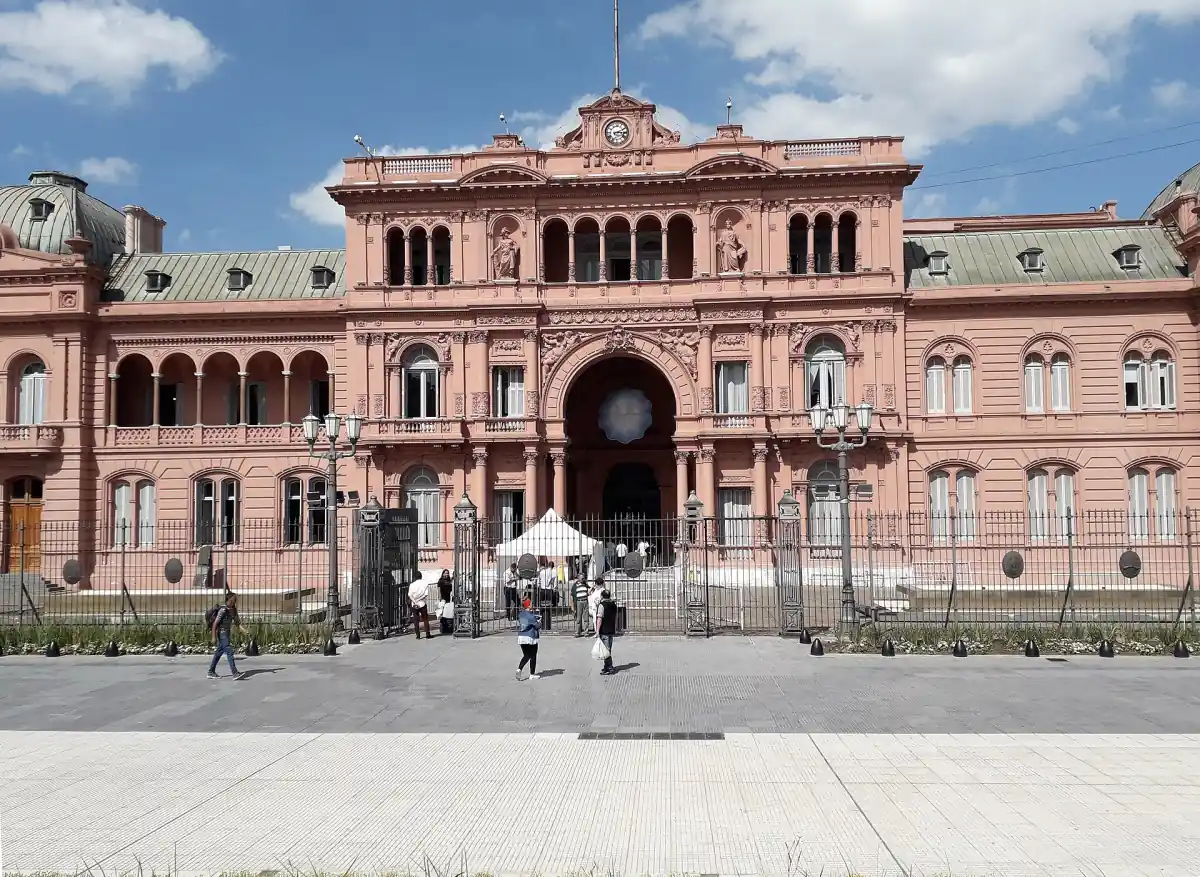
Casa Rosada is the seat of government; Museo Casa Rosada is a separate museum destination at Av. Paseo Colón 100. Its collection includes archaeological remains of the fort and the Aduana Taylor, together with the mural “Ejercicio Plástico”. The institution was founded in 1957, and its expanded archaeological narrative dates from 2011.
Individual museum admission is free and requires no reservation, while school and tourist groups need an appointment. Check the museum's current visitor information for opening hours when choosing your day. A city tour is an opportunity to understand the surrounding urban story; arrange any intended museum visit separately from that overview.
For another architectural perspective, the Teatro Colón guide covers theatre visits. Combining a market building, a museum and a theatre as separate interests gives a more varied historical programme than treating all monumental façades as the same kind of attraction.
Choose the scale of your historical visit
The guided city overview includes live commentary, a local guide, an air-conditioned vehicle, and hotel pickup and return to the same place. The longer city and Tigre combination includes a small-group city tour, Recoleta Cemetery, a boat ride, snacks, a professional local guide and hotel transport. These suit different amounts of time and different interests.
The San Telmo food walk offers a more concentrated neighbourhood experience: a local guide leads a three-and-a-half-hour walk, visiting four to six establishments and tasting at least five Argentine foods. Vegetarian, gluten-free and dairy-free menus are available by arrangement when booking. For practical comparisons of walking formats, continue to guided walks in Buenos Aires.
Questions about the city's history
Why are there two founding dates?
The 1536 date refers to Pedro de Mendoza's first settlement attempt. Juan de Garay's second foundation in 1580 established the enduring city.
Is Museo Casa Rosada the government palace?
They are separate visit destinations. The museum holds archaeological remains and artworks; Casa Rosada is the seat of government.
Which neighbourhood suits a market and history visit?
San Telmo brings together the historic urban core, antiques and a market hall opened in 1897. Its Sunday outdoor fair is separate from the hall.